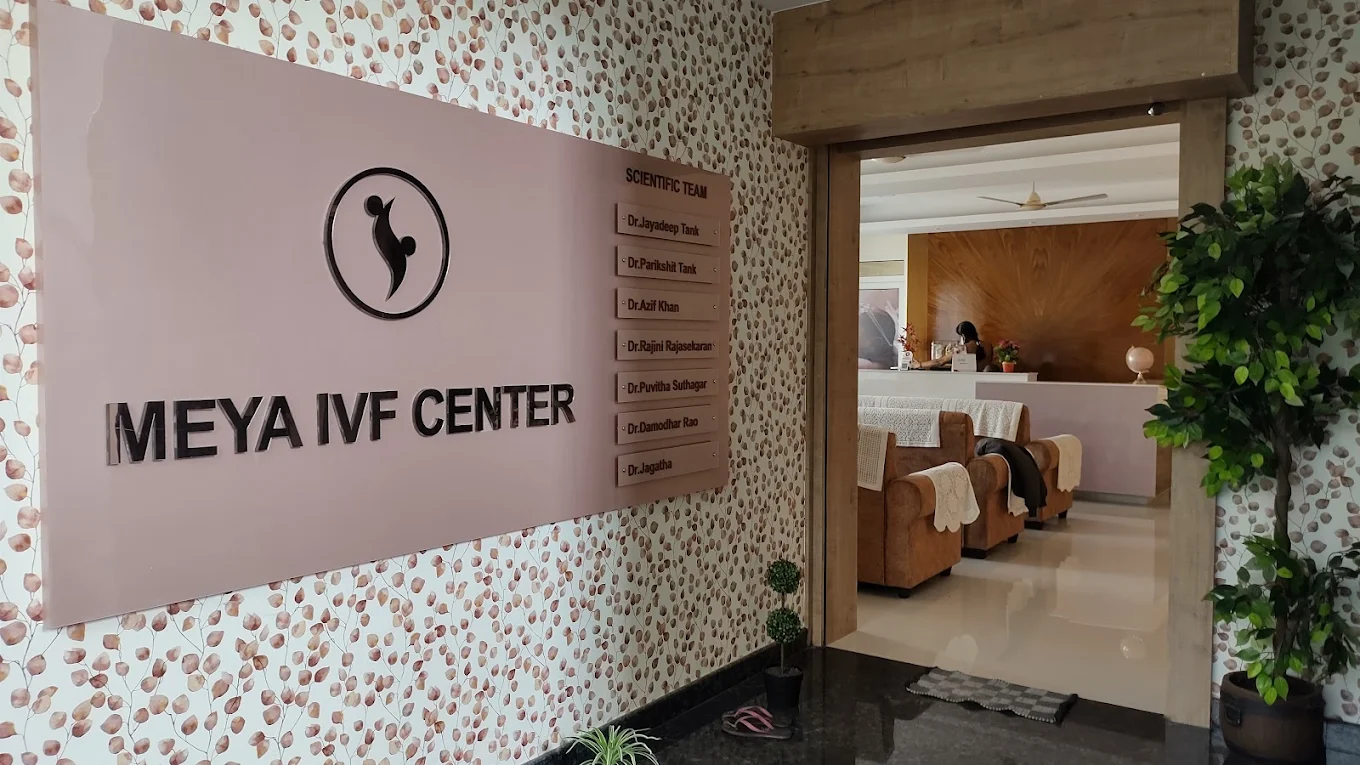
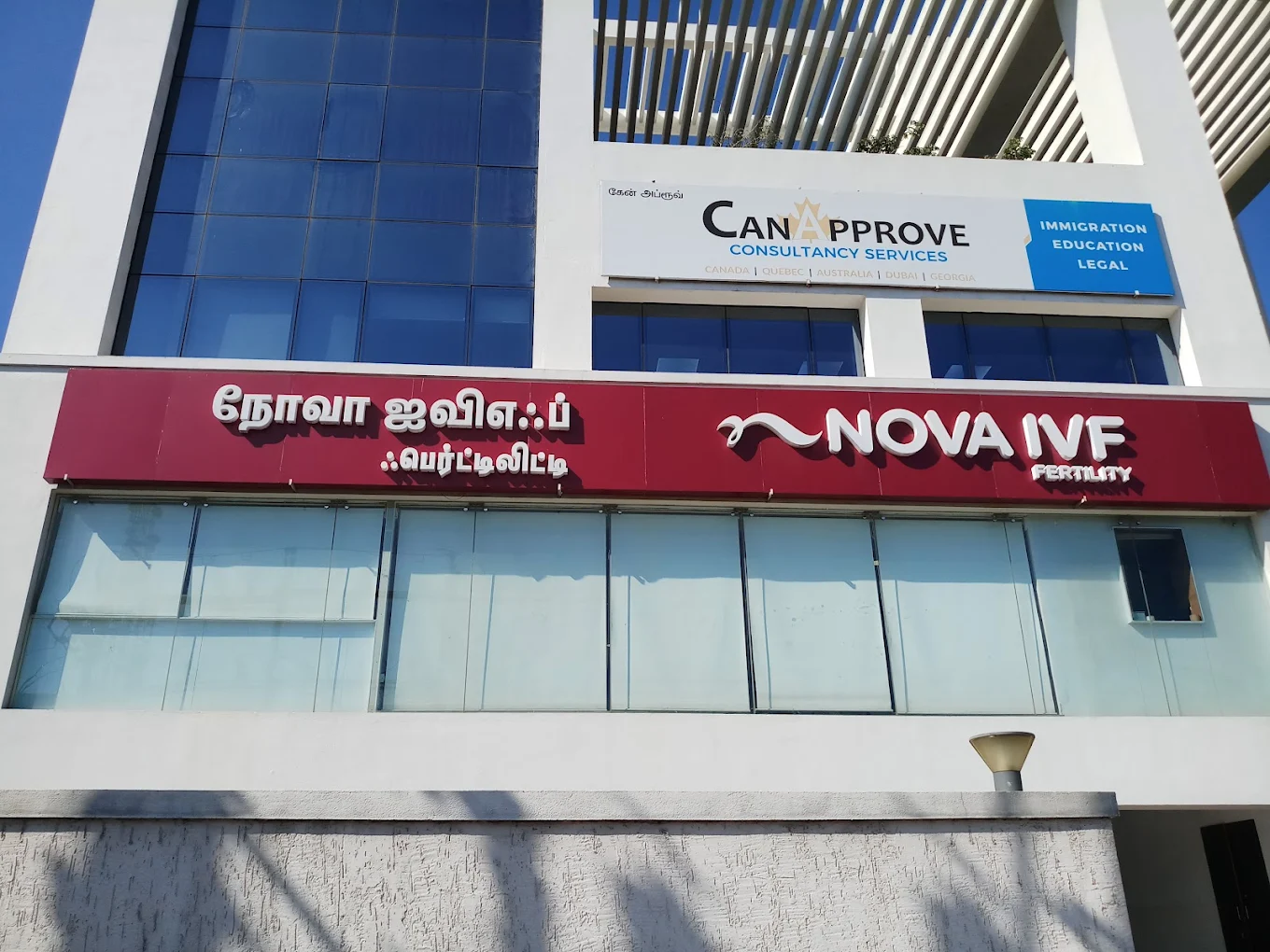
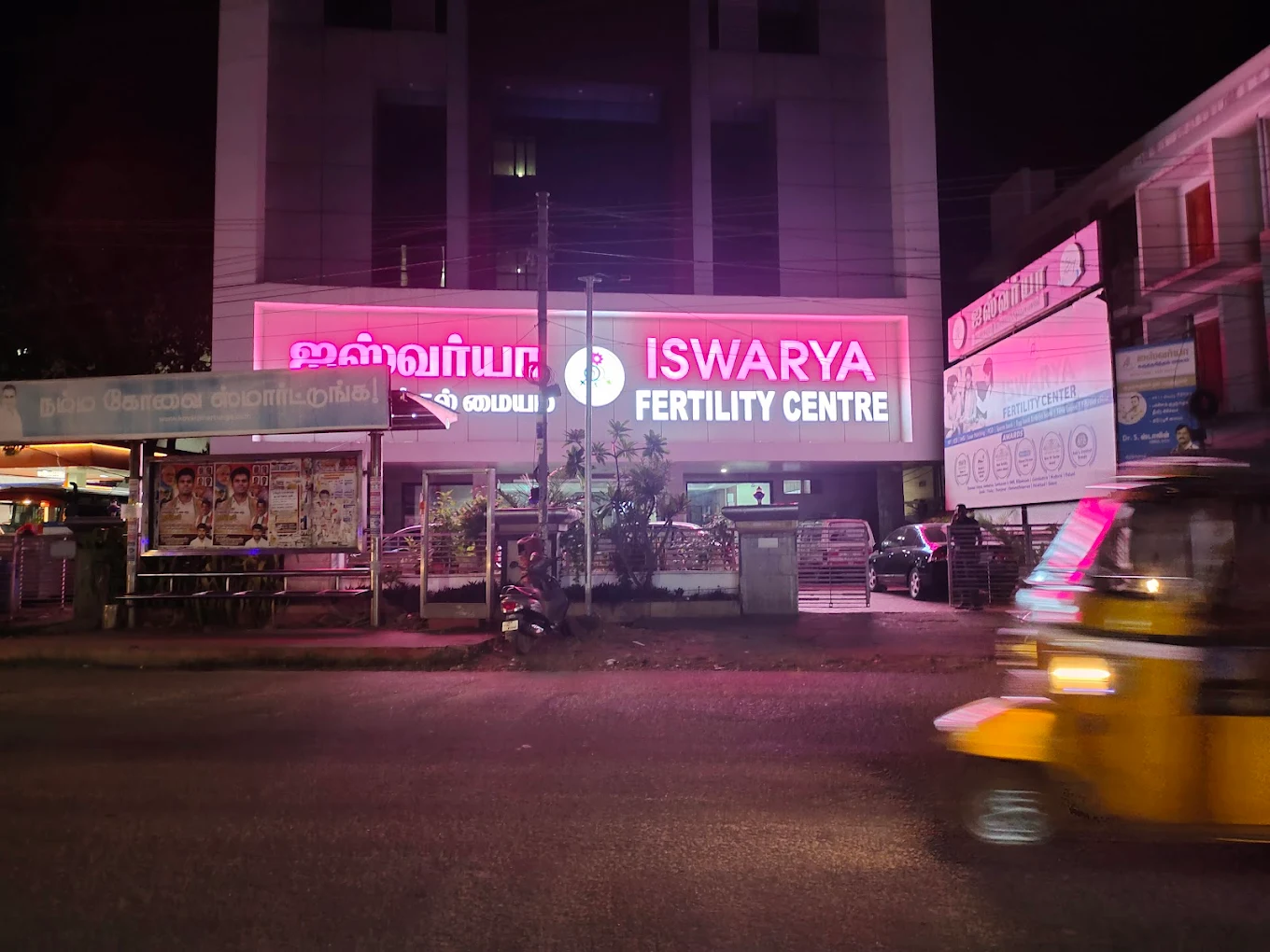
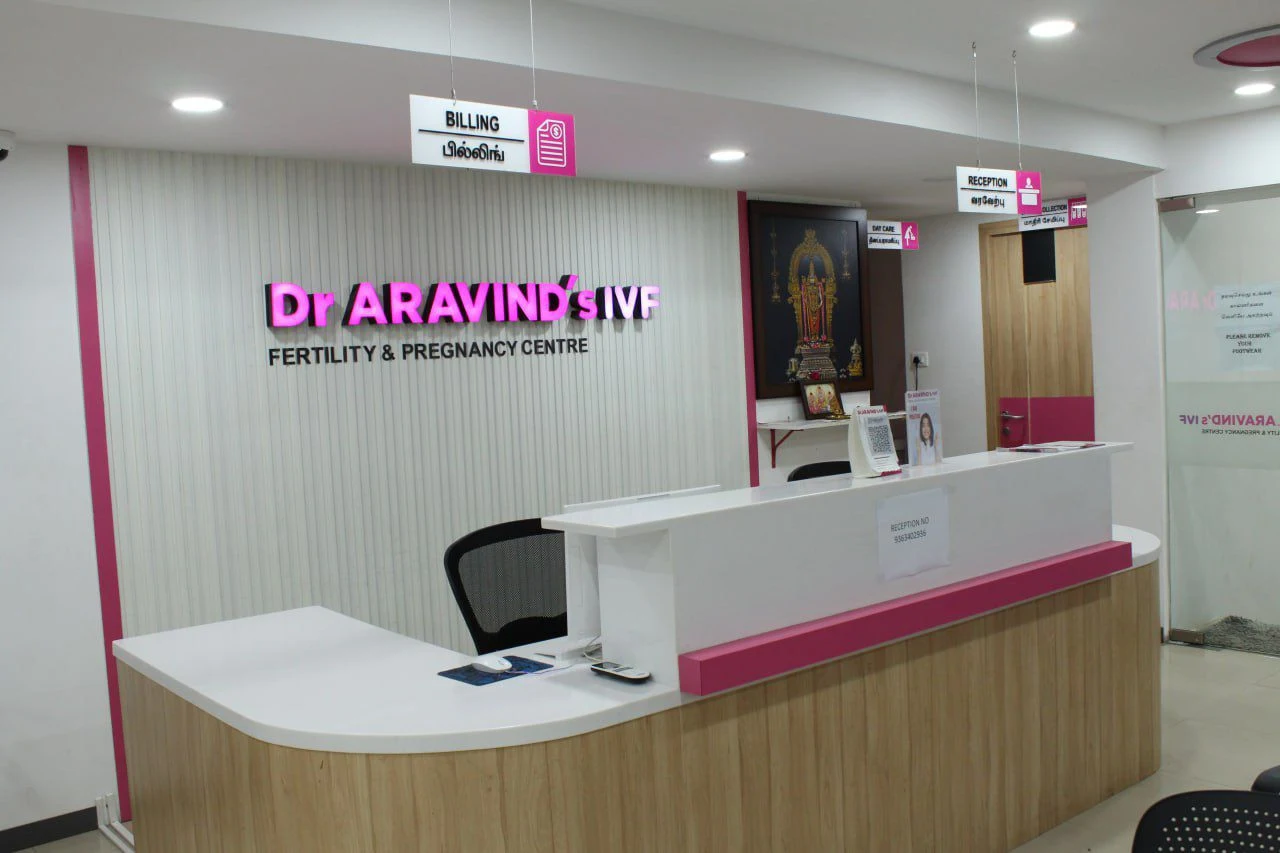
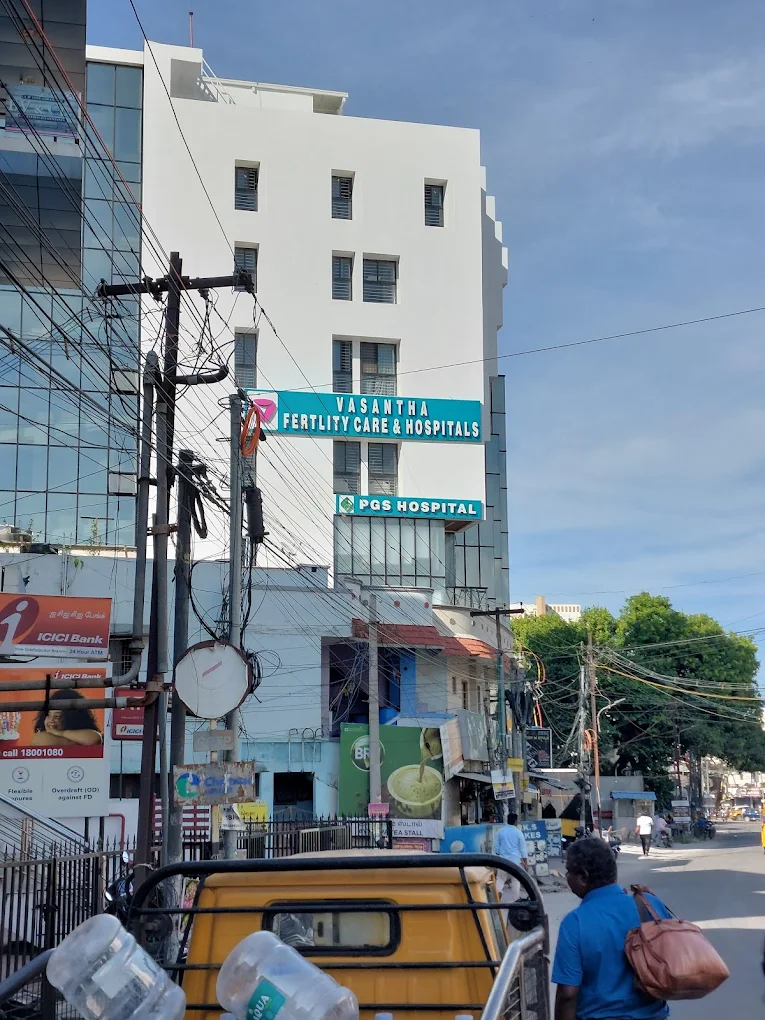
Coimbatore is Tamil Nadu's second-largest fertility treatment city after Chennai, with 14 verified centres listed. The city draws patients from western Tamil Nadu and parts of Kerala who prefer to avoid the travel and cost of going to Chennai. But more clinics also means more confusion for patients. This guide gives you a clear, honest picture — what treatments exist, when to consider each one, what things actually cost, and what to watch out for.
Most doctors recommend consulting a fertility specialist if you have been trying to conceive for 12 months without success (or 6 months if you are over 35). But you do not need to wait that long if you already know there is an issue — irregular periods, very painful periods, a history of PCOS, endometriosis, or if your partner has had a semen analysis showing low count or poor motility. Earlier evaluation gives you more options and better outcomes.
The first visit to a fertility clinic in Coimbatore typically involves a basic workup: a Day 2 hormone panel (FSH, LH, AMH, Estradiol) for the woman, an antral follicle count (AFC) ultrasound, thyroid function tests, and a semen analysis for the man. This takes about 7–10 days and gives the doctor enough information to recommend a treatment path.
IUI vs IVF — Which One Do You Actually Need?
Many couples in Coimbatore start with IUI (Intrauterine Insemination) because it is simpler and cheaper — around ₹15,000 per cycle. In IUI, prepared sperm is placed directly inside the uterus around the time of ovulation. It works well for mild male factor infertility, unexplained infertility in younger women, or when the woman has regular cycles but needs a little assistance.
IVF (In Vitro Fertilisation) is recommended when the fallopian tubes are blocked, the sperm count is very low, previous IUI cycles have not worked, or when the woman is over 37. In IVF, eggs are retrieved from the ovaries, fertilised in a lab, and one or two embryos are placed back into the uterus. The average IVF cost in Coimbatore is ₹1,30,000 per cycle — but read the cost breakdown below before taking any quote at face value.
How IVF Actually Works — Step by Step
IVF is not a single procedure — it is a 4–6 week process with several stages. Here is what to expect at a Coimbatore clinic:
- Stimulation (10–14 days): Daily hormone injections stimulate the ovaries to produce multiple eggs. You will have 4–6 monitoring scans to track follicle growth.
- Egg Retrieval (Day 14 approx.): A minor procedure done under sedation. Eggs are collected via a thin needle guided by ultrasound. You go home the same day.
- Fertilisation in Lab (Day 14–17): Eggs are combined with sperm in the embryology lab. If sperm quality is poor, ICSI (injecting one sperm directly into each egg) is used instead of standard fertilisation.
- Embryo Culture (3–5 days): Fertilised embryos are monitored in the lab. Clinics with time-lapse incubators observe development without disturbing embryos — a quality indicator worth asking about.
- Embryo Transfer (Day 17–20): One or two selected embryos are placed into the uterus. This is a painless, non-sedation procedure. Remaining good embryos are frozen for future use.
- Pregnancy Test (Day 34 approx.): A blood beta-hCG test 14 days after transfer — not a home kit — gives the most accurate result.
What Does IVF Actually Cost in Coimbatore?
The quoted price of ₹1,30,000 is usually the base cycle fee. Before you agree to treatment, ask the clinic for a fully itemised cost sheetthat includes:
- Stimulation medications: ₹30,000–₹70,000 depending on your protocol
- ICSI (if needed): ₹25,000–₹50,000 additional
- Embryo freezing and storage: ₹15,000–₹25,000 for the first year
- Frozen embryo transfer (FET): ₹30,000–₹60,000
- PGT-A genetic testing: ₹40,000–₹80,000 (optional)
- Luteal support medications after transfer: ₹5,000–₹15,000
A realistic all-inclusive IVF cycle in Coimbatore — including medications, ICSI if needed, and one frozen transfer — typically costs ₹2,00,000–₹3,00,000. Multi-cycle packages at ₹3,50,000–₹5,00,000 for 3 attempts are offered by several large chains and can be cost-effective if your doctor expects you may need more than one cycle.
What Affects IVF Success Rate in Coimbatore?
The average IVF success rate in Coimbatore is around 46% per fresh cycle — but this figure means very little without age-group breakdown. The most important factors are:
- Age: Under 35: 40–55% per cycle. At 35–40: 30–40%. Above 40: 15–25% with own eggs.
- AMH: Reflects your ovarian reserve. Low AMH does not mean IVF will not work — but it affects how many eggs are retrieved and the protocol used.
- Sperm DNA fragmentation: Semen analysis can look normal while sperm DNA quality is poor. High fragmentation causes poor embryo development. Ask for this test if you have had repeated failures.
- Embryology lab quality: Lab environment, incubator type, and culture media directly affect fertilisation and blastocyst rates. Ask what percentage of retrieved eggs become blastocysts.
- Uterine factors: Fibroids inside the cavity, thin endometrium, or fluid in the tube (hydrosalpinx) can prevent implantation even with good embryos.
How to Evaluate a Fertility Clinic in Coimbatore — 6 Questions to Ask
- What is your live birth rate for my age group? — Not just pregnancy rate. A pregnancy that ends in early miscarriage is not a success.
- Is the embryology lab on-site? — Some clinics outsource lab work. On-site labs with experienced embryologists are preferable.
- Do you have NABH accreditation or ICMR-ART registration? — ICMR registration is mandatory under India's ART Act 2021.
- Can I see an itemised cost breakdown before I commit? — Any clinic hesitant to give this in writing is a red flag.
- Who will be my primary doctor throughout the cycle? — Continuity of care matters. Some clinics rotate doctors at different stages.
- What is your cancellation rate? — A high rate suggests poor patient selection or protocol management.
Where Are Fertility Clinics in Coimbatore?
Fertility clinics in Coimbatore are spread across: RS Puram, Gandhipuram, Peelamedu. Location matters more than it seems — an IVF stimulation cycle requires 5–7 monitoring visits over 10–12 days, often before work. Choose a clinic within 20–30 minutes of where you live or work, not just the one with the best marketing.
Male Infertility Treatment in Coimbatore
Male factor infertility is responsible for approximately 40–50% of all infertility cases in India — yet it remains significantly underdiagnosed because the initial focus in most couples is on the woman. In Coimbatore, most fertility clinics now conduct a simultaneous evaluation of both partners at the first visit, which is the correct approach. A semen analysis takes 48–72 hours and costs under ₹800 — it should always be the first test done, before any female investigation begins.
A semen analysis that looks normal does not rule out male factor infertility. Sperm DNA fragmentation — damage to the genetic material inside the sperm — can cause poor embryo quality and repeated implantation failure even when count, motility, and morphology are all in the normal range. If you have had two or more failed IVF cycles with good-quality embryos, ask your clinic to order a Sperm DNA Fragmentation Index (DFI) test. A DFI above 25–30% is considered high and changes the treatment approach entirely.
- Mild male factor (low count or motility): IUI with sperm preparation is the first-line treatment. Lifestyle interventions — reducing heat exposure, stopping smoking, correcting varicocele — can improve sperm parameters within 3 months.
- Severe oligospermia or azoospermia: ICSI (Intracytoplasmic Sperm Injection) injects a single sperm directly into each egg, bypassing motility issues entirely. It is the standard approach in Coimbatore clinics when sperm count is below 5 million/mL or motility is severely impaired.
- Non-obstructive azoospermia (no sperm in semen): Surgical sperm retrieval — TESE (Testicular Sperm Extraction) or microTESE — can recover sperm directly from the testicular tissue in 40–60% of cases. The retrieved sperm is used immediately for ICSI. Several centres in Coimbatore offer this as a coordinated same-day procedure alongside egg retrieval.
- High sperm DNA fragmentation: Testicular sperm has lower fragmentation than ejaculated sperm and produces better embryo development outcomes. IMSI, a higher-magnification version of ICSI, is available at select clinics in Coimbatorefor this specific indication.
When evaluating fertility clinics in Coimbatore for male factor infertility, ask specifically whether the andrologist or urologist who performs TESE is on-site or visits only on scheduled days. For azoospermia cases, continuity between the surgical team and the embryology lab is critical to sperm survival and fertilisation outcomes.
What Happens if IVF Fails — Options and Next Steps in Coimbatore
A failed IVF cycle is not the end of the road — but it does require a structured, honest review before deciding the next step. Most clinics in Coimbatore will schedule a review consultation 4–6 weeks after a failed fresh transfer. This is when you should request a detailed embryology report covering: number of eggs retrieved, fertilisation rate, blastocyst conversion rate, embryo grading, and the reason for any transfer cancellation. These numbers tell you far more about what went wrong than a simple "it didn't work."
- Poor ovarian response (fewer than 4 eggs retrieved): The protocol needs to change — higher stimulation doses, a different gonadotropin combination, or a modified approach such as mini-IVF, natural cycle IVF, or double stimulation (DuoStim). Some women with very low ovarian reserve achieve better results by banking eggs across two consecutive retrieval cycles before any transfer.
- Good embryos, failed implantation: The focus shifts to the uterine environment. An ERA (Endometrial Receptivity Analysis) test identifies whether your endometrium is receptive at the standard transfer window, or whether a shifted "implantation window" is causing failure. A hysteroscopy rules out polyps, submucosal fibroids, or scar tissue (Asherman's syndrome) that an ultrasound may miss.
- Poor fertilisation or embryo development: This points to egg or sperm quality. PGT-A (Preimplantation Genetic Testing for Aneuploidy) screens embryos for chromosomal abnormalities before transfer — only euploid embryos are transferred, which significantly improves implantation rates for women over 37 and those with recurrent failure.
- Frozen embryo transfer (FET): If good-quality frozen embryos remain from the stimulation cycle, a FET in Coimbatore costs ₹30,000–₹60,000 and is the most cost-effective next step. FET success rates are comparable to — or in many patient profiles better than — fresh transfers.
- Donor egg IVF: If the issue is consistently poor egg quality — persistently low AMH, advanced reproductive age, or repeated poor embryo development across multiple cycles — donor egg IVF can significantly improve outcomes. Several Coimbatore clinics run ICMR-registered in-house donor programmes with anonymous matching. Donor egg success rates are driven by the donor's age, not the recipient's.
One to two failed cycles with good embryos is not statistically unusual. Three or more failures with chromosomally normal embryos qualifies as Recurrent Implantation Failure (RIF) and warrants specialised investigation: natural killer (NK) cell activity testing, thrombophilia screening, and a detailed immunological profile. Ask your Coimbatore clinic whether they have a dedicated RIF protocol or can refer you to a centre that specialises in it.
Regulatory Framework for Fertility Treatment in Coimbatore
India's fertility sector is governed by the Assisted Reproductive Technology (Regulation) Act, 2021 — central legislation that applies to every fertility clinic and ART bank across the country, including those in Coimbatore. The Act mandates compulsory registration of all ART clinics with the National Registry of ART Clinics and Banks (NRAC), maintained by the Indian Council of Medical Research (ICMR). Operating an ART clinic without NRAC registration is illegal under this Act.
Before choosing a fertility clinic in Coimbatore, verify ICMR-ART registration by:
- Asking the clinic to show their ICMR-ART registration certificate — they are legally required to display it prominently
- Checking the NRAC public registry, which lists all registered clinics and banks by state
- Confirming that the clinic's advertised success rates comply with ART Act guidelines — clinics may not make misleading or unverified success rate claims under the Act
Beyond ICMR registration, NABH (National Accreditation Board for Hospitals and Healthcare Providers) accreditation is the gold standard for institutional quality. NABH requires adherence to clinical protocols, infection control, patient rights documentation, and systematic outcome tracking. Not all fertility clinics pursue NABH accreditation — it is resource-intensive to achieve — but those that hold it have demonstrated a higher standard of governance and clinical consistency.
The ART Act 2021 also governs key aspects of treatment that directly affect patients:
- Egg and sperm donation: Donors must be between 23–35 years (women) and 21–55 years (men). A single donor's gametes may not be used to create more than one live birth across all recipients — protecting against consanguinity in the next generation.
- Surrogacy: Governed by the separate Surrogacy (Regulation) Act, 2021, which prohibits commercial surrogacy and permits only altruistic surrogacy by close relatives meeting defined eligibility criteria.
- Embryo storage: Clinics must obtain written informed consent from both partners for the storage, use, and disposal of frozen embryos. Embryos may be stored for up to 5 years, renewable on continued mutual consent.
- Patient rights: You have the right to a second opinion at any stage, to withdraw consent before or during an ART procedure, and to receive a complete copy of your medical record including all embryology reports.
If you have a complaint against a fertility clinic in Coimbatore — regarding false success rate claims, financial misconduct, or clinical negligence — you can file with the State Medical Council of your state or with the ICMR's ART regulatory authority. Retain all written treatment agreements, itemised cost breakdowns, and signed consent forms from the start of your treatment. These documents are your legal protection if a dispute arises.